

Thinking about buying a car that’s already seen a lot of miles? It might sound a bit odd, but high-mileage cars can actually be a really smart choice. Forget what you might have heard; these cars can be tough, save you cash, and just keep going. They’re not just for people on a tight budget anymore. The trick is knowing which ones are built to last and how to keep them running smoothly. We’re talking about the best cars for high mileage here, and it’s all about finding those reliable workhorses that won’t let you down. Let’s get into it.
Key takeaways
- Cars with higher mileage can be a sensible and economical choice, offering durability and long-term performance if properly maintained.
- Brands like Toyota, Honda, Subaru, and Lexus are frequently recognized for producing models that can achieve very high mileage.
- While mileage is a factor, a car’s history of maintenance, driving conditions, and owner habits play a significant role in its longevity.
- Buying a high-mileage car can mean lower purchase prices, slower depreciation, and potentially lower insurance costs.
- Regular maintenance, including timely oil changes, fluid checks, and attention to unusual sounds, is vital for keeping any car, especially a high-mileage one, in good condition.
The advantages of cars with a high mileage
So, you’re looking at cars and notice some have a lot of miles on them. Maybe you’ve always thought that meant trouble, but let’s chat about why that’s not always the case. Buying a car with higher mileage can actually be a really smart move, especially if you’re trying to save some cash.
Think about it: a car that’s already been driven a bunch has already gone through its biggest depreciation phase. That means you’re not taking that initial huge hit in value the moment you drive a new car off the lot. Plus, insurance costs are often lower for these vehicles. It’s like getting a seasoned veteran that’s already proven itself on the road.
Here are some solid reasons why a high-mileage car might be your next best purchase:
- Cost Savings: The most obvious perk is the price tag. Cars with more miles usually cost significantly less than their lower-mileage counterparts. This makes getting into a reliable vehicle much more accessible.
- Slower Depreciation: Since the car has already lost a lot of its value, it won’t drop in price as quickly. This is great news if you plan to sell it down the line.
- Proven Reliability: Many cars, especially well-maintained ones, are built to last well over 100,000 miles. A car that’s already hit that mark and is still running smoothly has likely been through its initial kinks and is ready for more.
- Environmental Friendliness: Choosing a used car, regardless of mileage, is a greener choice. You’re extending the life of an existing vehicle and reducing the demand for new car production. It’s a win for your wallet and the planet.
It’s true, a car with a lot of miles has seen a lot of action. This could mean it’s had regular maintenance like oil changes and brake work, which keeps the engine and other parts lubricated and running well. Sometimes, a car with higher mileage has actually been driven consistently, which is often better than a car that’s been sitting idle for long periods, leading to potential issues. You can often find great deals on models known for their longevity, like certain Toyota or Honda vehicles, which are famous for going the distance.
When you’re looking at a used car, don’t just focus on the number on the odometer. Consider the overall condition, maintenance history, and how it drives. A well-cared-for car with 150,000 miles can often be a better buy than a neglected one with only 50,000 miles.
Of course, it’s important to be aware that higher mileage can sometimes mean potential repairs are on the horizon. Things like the timing belt or fuel pump might need attention sooner rather than later. It’s always a good idea to factor in potential maintenance and repair costs when budgeting for a used car.
Which specific brands are good for a high cars miileage
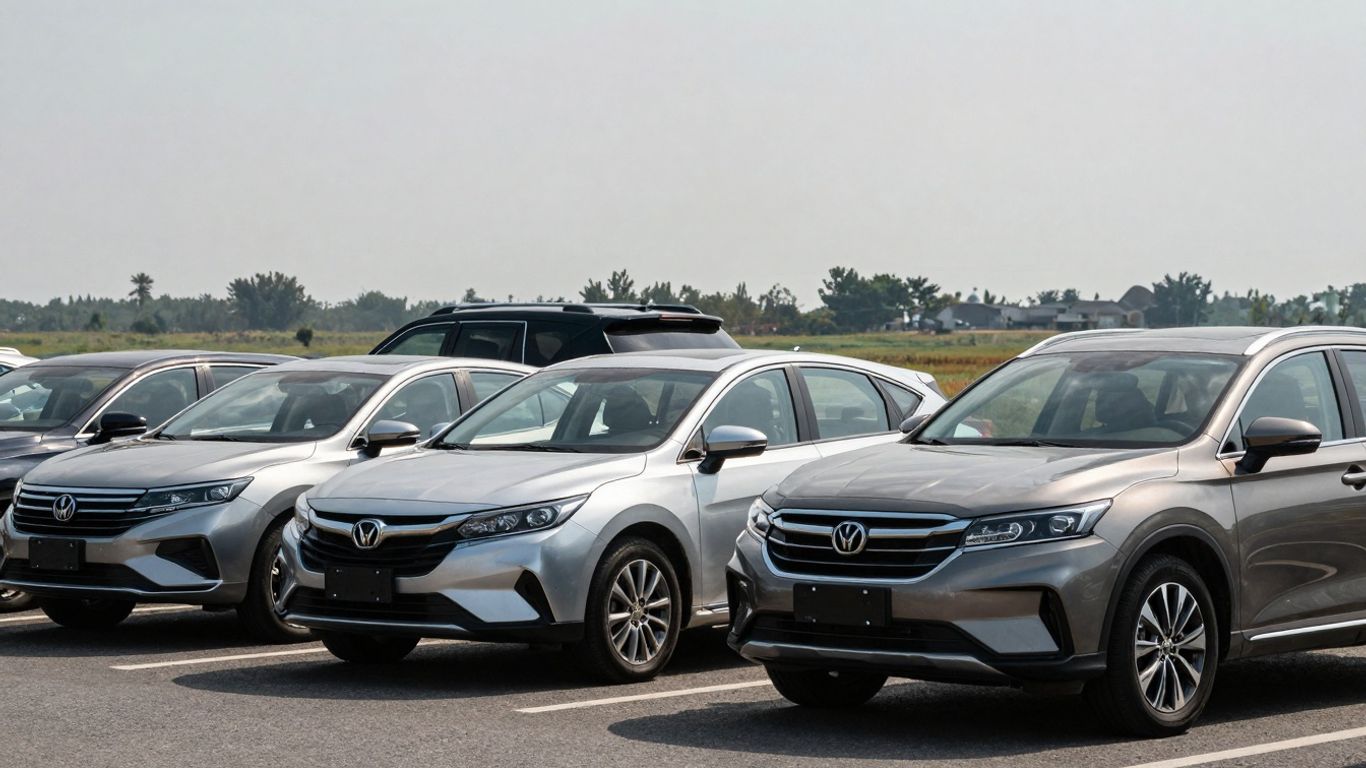
When you’re looking for a car that can rack up the miles without falling apart, some brands just consistently show up. It’s not magic; it’s usually a combination of solid engineering and a focus on durability.
Toyota and Honda are often at the top of the list, and for good reason. These Japanese automakers have built a reputation for making vehicles that just keep going, often exceeding 200,000 or even 300,000 miles with proper care. Think about models like the Toyota Camry, Corolla, or the Honda Accord and Civic. They’re not always the flashiest, but they’re built to last.
Here are a few brands that tend to perform well when it comes to longevity:
- Toyota: Known for reliability across the board. Models like the Sequoia and Land Cruiser have shown incredible potential lifespan in studies, often reaching close to 300,000 miles. Even their more common sedans like the Avalon and Camry can easily surpass 250,000 miles.
- Honda: Similar to Toyota, Honda vehicles are praised for their durability. The Accord and CR-V are frequently mentioned as long-haulers, with a good chance of hitting the 250,000-mile mark.
- Subaru: These cars are famous for their all-wheel-drive systems and tough build. The Subaru Outback, for example, is often cited as a model that can handle over 250,000 miles, offering great traction and a sturdy ride.
- Lexus: If you’re looking for a bit more luxury but still want high mileage potential, Lexus is a strong contender. While maintenance might be a bit pricier than Toyota, models like the ES 350 and GS 350 are known to last a long time, often over 200,000 miles.
It’s worth noting that even the best brands need good maintenance. A car that’s been neglected won’t last as long, no matter who made it.
While statistics give us a good starting point, remember that how a car was treated matters a lot. Regular oil changes, timely repairs, and avoiding harsh driving conditions can make a huge difference in how many miles your car racks up. Don’t just look at the badge; consider the car’s history too.
How can you prevent higher car mileage?
Okay, so you’ve got a car, and you want to keep those miles from piling up too fast, right? It’s not always about avoiding driving altogether, but more about being smart with how and when you use your vehicle. Think of it like this: every mile adds a little bit of wear and tear, so managing that is key.
One of the biggest things is planning your trips. If you can group errands together, that’s way better than making five separate short trips. Those short trips, especially in the cold, are actually harder on your engine than a longer, steady drive. Also, consider if you really need to take the car. For really short distances, maybe walking or biking is an option? It’s good for you and the car.
Here are a few pointers to keep in mind:
- Combine your errands: Instead of driving across town multiple times, try to hit all your stops in one go. Map it out beforehand to find the most efficient route.
- Think about alternatives for short trips: If you’re just popping to the corner store or the gym down the street, could you walk, bike, or even use public transport? Less wear on your car, plus some exercise!
- Maintain your car regularly: This might sound counterintuitive, but keeping up with maintenance actually helps your car run more efficiently, which can indirectly help manage mileage. For example, properly inflated tires can improve gas mileage, meaning you use less fuel per mile.
- Drive smoothly: Avoid sudden acceleration and hard braking. It’s not just about saving fuel; it puts less stress on your engine, transmission, and brakes, all of which contribute to the car’s overall longevity.
Sometimes, the best way to manage mileage isn’t about driving less, but about driving smarter. Being mindful of your habits and planning ahead can make a real difference in how quickly your odometer climbs. It’s about making conscious choices that benefit both your car and your wallet in the long run.
German reliable cars but often mileage-blocked and tested
German automakers are known for their precision engineering, and that attention to detail extends far beyond what the customer sees on the road. Brands like Volkswagen, Audi and BMW frequently use mileage blockers in controlled environments—not to deceive buyers, but to test vehicles more effectively during development and quality checks.
These tools allow engineers to run repeated performance tests, diagnose systems, and simulate long-term driving conditions without logging unnecessary mileage on prototype vehicles. In other words, mileage stoppers are an essential part of the testing process in the German automotive industry.
Why drivers also choose to buy mileage stoppers
Because German brands rely on these tools for testing, many drivers became aware of how useful mileage blockers can be in non-testing scenarios as well. Modern cars track mileage through multiple control units, and during diagnostics or dyno testing, recording extra kilometers can be frustrating and unnecessary.
That’s why many car owners choose to purchase their own mileage stopper. It allows them to perform maintenance, testing, or tuning without adding unwanted mileage to the odometer or onboard systems.
Our KM stoppers are built for the same kind of precision that German brands use in their own testing environments, making them ideal for drivers who want control and accuracy.
Wrapping It Up
So, buying a car with a lot of miles on it doesn’t have to be a gamble. We’ve seen that brands like Toyota, Honda, and Subaru have a solid reputation for making cars that just keep going. It’s not just about the odometer reading, though. How a car was treated by its previous owners and how well it’s been maintained really matters.
Think of it like this: a well-cared-for car with 150,000 miles might be a better bet than a neglected one with only 50,000. Keep an eye on maintenance records, do your homework, and you can definitely find a dependable ride that won’t break the bank. It’s all about being smart with your choices and knowing what to look for.
German cars are often praised for lasting hundreds of thousands of kilometers when maintained properly. Their durability partly comes from the strict internal testing procedures where mileage blockers play an important role. These tests help manufacturers identify long-term issues, refine engines, and ensure reliability before a vehicle ever reaches a customer.
Because these tools are so commonly used at the professional level, it’s no surprise that many private owners now use similar stoppers for tuning sessions, performance checks, or workshop testing (always in a controlled and lawful manner).
Frequently Asked Questions
Why are cars with high mileage a good choice?
Cars with lots of miles on them can be a really smart buy! They usually cost less than newer cars, which means you save money upfront. Plus, they’ve already gone through most of their big value drop, so they won’t lose much more money if you decide to sell them later. They can also be cheaper to insure.
Are high-mileage cars reliable?
Yes, many high-mileage cars can be very reliable! Brands like Toyota, Honda, Subaru, and Lexus are known for making cars that last a long time. If a car has been taken care of with regular maintenance, it can keep running smoothly for many more miles, often over 200,000 or even 300,000 miles.
What are the best car brands for high mileage?
Some of the top brands known for making cars that go the distance include Toyota (like the Camry, Corolla, and Land Cruiser), Honda (such as the Accord and CR-V), Subaru (like the Outback), and Lexus (especially models like the ES 350). These brands often appear in studies for their durability and long lifespan.
Does how a car was driven matter more than its mileage?
Absolutely! A car driven mostly on highways with gentle acceleration and braking will likely be in better shape than a car with fewer miles that was driven only in stop-and-go city traffic. It’s important to consider the car’s history and how it was used, not just the number on the odometer.
What should I check for when buying a high-mileage car?
Always look at the car’s maintenance records to see if it’s been regularly serviced. Check for any strange noises, fluid leaks, or signs of rust. It’s also a good idea to get a mechanic to inspect it. Make sure the tires have even wear and the engine runs smoothly.
Can I make my car last longer, even if it already has high mileage?
Definitely! Keeping up with regular oil changes, checking all fluids, inspecting belts and hoses, and rotating tires are super important. Driving smoothly, avoiding sudden stops and fast starts, and using good quality parts when repairs are needed will help your car last much longer.


